

New Report Warns Ohio Could Face Major Rural Veterinarian Shortage, Raising Concerns for Farms and Food Supply
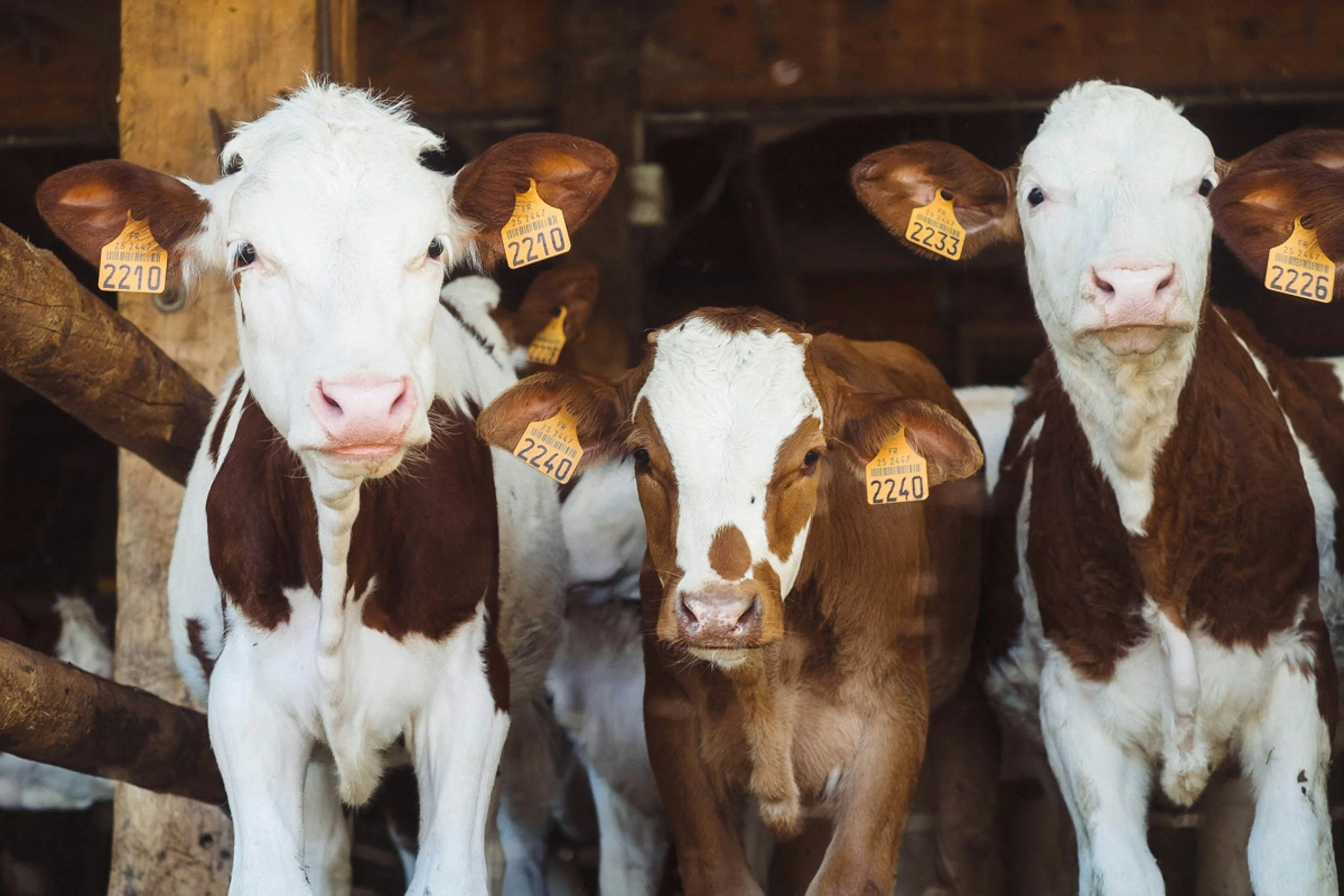
COLUMBUS, Ohio — A new statewide assessment warns Ohio is on track to lose a significant portion of its veterinary workforce over the next decade, a trend experts say could have serious consequences for livestock producers, rural communities, and the state's food supply.
The report, "Ohio Rural & Food Systems Veterinary Shortage Solutions," was released Tuesday by the Ohio Department of Agriculture, The Ohio State University College of Veterinary Medicine, and the Farm Journal Foundation. The assessment examines workforce trends, veterinary education, and recruitment efforts to better understand why Ohio is struggling to attract and retain veterinarians who serve rural communities and food-animal agriculture.
According to the report, about one-third of Ohio's licensed veterinarians are either at retirement age or will reach it within the next 10 years. Of the state's 4,382 licensed veterinarians living in Ohio, 699 are already 65 or older, while another 719 are between 55 and 64 years old.
The report projects Ohio could face a shortage of 600 to 1,000 veterinarians by the early 2030s if current trends continue.
For rural Ohio, that could mean fewer veterinarians available to treat cattle, hogs, poultry, sheep, and other livestock that support one of the state's largest industries.
"Rural veterinarians are essential partners in protecting animal health, responding to disease threats, and helping ensure a safe and secure food supply," Ohio Department of Agriculture Director Brian Baldridge said.
Baldridge said the findings reflect concerns already being experienced across the agricultural community.
"This report confirms what many producers and veterinary professionals are already experiencing: demand is growing while a significant portion of our veterinary workforce is nearing retirement," he said.
Livestock industry continues to grow
The report notes that Ohio's livestock industry has continued evolving over the past two decades.
While cattle numbers have gradually declined, hog production has expanded dramatically, with the state's hog inventory nearly doubling since 2002. Poultry production has also grown rapidly, with broiler production increasing more than fourfold and Ohio maintaining its position as one of the nation's leading egg-producing states.
Those industries rely heavily on veterinarians for disease prevention, herd health management, food safety, and emergency response.
Interest exists, but challenges remain
The report found that Ohio has a strong pipeline of young people interested in animal agriculture.
In 2025 alone:
More than 70,000 Ohio 4-H animal science projects were completed.
More than 83,000 FFA students were exposed to animal or veterinary science.
Nearly 9,000 FFA members participated in animal-related supervised agricultural experiences.
Even with that interest, relatively few veterinary graduates ultimately enter rural food-animal practice.
Across five graduating classes at Ohio State's College of Veterinary Medicine, only 53 graduates entered careers in food-animal, large-animal, equine, or mixed-animal practice immediately after graduation.
The report also notes that veterinary school debt remains a major factor influencing career choices. Nationally, indebted veterinary graduates leave school with an average of more than $212,000 in educational debt, while average starting salaries are about $133,000.
State investing in workforce
Ohio lawmakers recently approved $9.6 million for Ohio State University's new Protect OHIO initiative, which aims to expand veterinary education, increase rural clinical training and strengthen the pipeline of veterinarians serving agricultural communities.
Rustin Moore, dean of Ohio State's College of Veterinary Medicine, said understanding the shortage is necessary before solutions can be developed.
"There is a critical shortage of rural and food-system veterinarians across the United States, including here in Ohio," Moore said.
"To solve this challenge, we first need a clear understanding of the factors contributing to it. This assessment provides that foundation."
Stakeholders see problem worsening
Organizations surveyed for the report rated today's veterinary shortage 7.9 out of 10 in severity.
Looking ahead 10 years, that concern increased to 9.1 out of 10.
Participants also raised concerns about "veterinary deserts," the need for additional poultry veterinarians, challenges facing small farms, and the importance of encouraging more students to pursue rural veterinary careers.
Farm Journal Foundation Director of Rural Programs Maddie Skellie said the report is intended to help communities begin addressing the issue.
"This assessment provides a data-driven understanding of the opportunities and challenges facing food-animal veterinary practice in the state today," Skellie said.
She added that the report "establishes a foundation for self-help readiness models that can strengthen the long-term sustainability of veterinary practices and rural communities."
The report's authors emphasize the assessment is not a final solution but rather a starting point for future discussions among veterinarians, educators, agricultural organizations, and policymakers working to ensure rural Ohio maintains access to veterinary care for years to come.
